
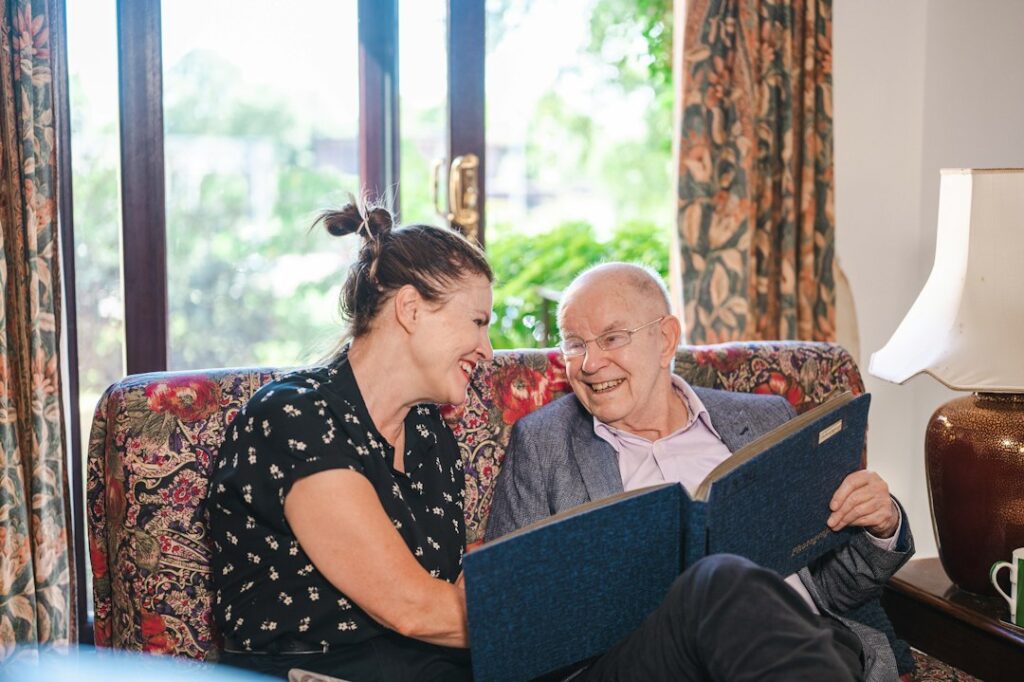
Assisted living staff support residents with everyday needs while protecting dignity, choice, safety, and social connection. Their role is broader than helping with personal care. Staff members may assist with medications, meals, mobility, housekeeping, communication with families, and changes in health or behavior.
The level of support varies by resident. Some people need reminders and occasional help, while others require regular assistance with bathing, dressing, transferring, or managing health conditions.
What types of help do assisted living staff provide?
Assisted living staff commonly help residents with activities of daily living, health-related routines, household tasks, and participation in community life. The specific services depend on the residence, staffing model, and each person’s assessment.
Daily support may include:
- Bathing, grooming, dressing, and toileting
- Moving safely between a bed, chair, bathroom, or dining area
- Reminders for meals, hydration, appointments, and daily routines
- Medication storage, reminders, or administration according to applicable rules
- Laundry, light housekeeping, and changing bed linens
- Meal service and assistance for residents who have difficulty eating
- Monitoring for changes in mood, balance, appetite, sleep, or alertness
- Transportation coordination for medical visits or essential errands
- Communication with family members, nurses, physicians, or other authorized caregivers
Assistance should be based on what a resident needs rather than what is easiest for staff. A person who can brush their own hair, choose clothing, or walk to the dining room may benefit from having the time and encouragement to do those tasks independently.
How do staff protect resident independence?
Assisted living is not intended to remove every responsibility from a resident. Staff often support independence by offering the right amount of help at the right time.
For example, a resident may be able to dress independently but need help selecting weather-appropriate clothing or fastening difficult buttons. Another resident may walk without help but need a reminder to use a walker on days when balance is less steady.
Good support may involve:
- Offering choices instead of making every decision
- Allowing extra time for residents to complete familiar tasks
- Using adaptive equipment when appropriate
- Encouraging residents to participate in care planning
- Adjusting assistance as abilities change
- Respecting privacy during personal care
- Asking permission before providing hands-on help
This approach can be especially valuable for people who have recently moved from a private home. Familiar routines, personal belongings, and preferred schedules can help make the transition less disruptive.
How do staff respond to changes in health?
Staff are often among the first people to notice that a resident is not acting normally. A change may appear as reduced appetite, increased confusion, unusual tiredness, a new difficulty walking, missed activities, or a shift in mood.
Depending on the situation, staff may document the change, provide immediate assistance, notify a nurse or supervisor, contact an authorized family member, or seek urgent medical attention. They may also monitor the resident more closely and communicate observations to the appropriate healthcare professionals.
Families should understand that assisted living staff can observe, report, and support residents, but they do not replace a physician, emergency department, or specialized medical team. Sudden chest pain, severe breathing trouble, signs of a stroke, major injury, or loss of consciousness requires emergency medical attention.
What role do staff play in medication routines?
Medication support can range from reminders to more direct assistance, depending on the residence, the resident’s needs, and Pennsylvania requirements. Staff may help maintain an organized medication schedule, observe whether a resident has taken a dose, or coordinate with licensed healthcare personnel.
Residents and families should ask clear questions about:
- Who handles medication storage and administration
- How missed or refused doses are documented
- How prescription changes are communicated
- What happens when a resident returns from a hospital or physician visit
- How over-the-counter medications and supplements are managed
- Whether residents may keep any medications in their rooms
Medication routines can become more complicated after a hospitalization. Written discharge instructions, updated medication lists, and prompt communication help reduce confusion.
How do staff support nutrition and hydration?
Meals provide more than calories. Dining routines can offer structure, conversation, and an opportunity for staff to notice changes in health.
Staff may help residents who have difficulty opening containers, cutting food, remembering to drink, or following a prescribed diet. They may also observe whether someone is eating less than usual or avoiding certain foods because of dental problems, nausea, fatigue, or difficulty swallowing.
Hydration deserves extra attention during warm weather and during periods of illness. In colder months, dry indoor air and reduced thirst can also contribute to inadequate fluid intake. Residents who have fluid restrictions or swallowing concerns need individualized guidance rather than general encouragement to drink more.

How do staff help residents remain socially connected?
Social support is a practical part of assisted living care. Staff may invite residents to activities, introduce new residents to neighbors, help someone reach a common area, or notice when a person has become isolated.
Participation should remain voluntary. A resident may prefer small conversations, quiet hobbies, religious practice, outdoor time, or visits with family instead of large group events. Staff can support connection without treating social participation as an obligation.
For families, regular contact can include phone calls, visits, shared meals, or familiar activities. Local households may also need to plan around winter weather, summer heat, and transportation conditions that can affect visits and outdoor routines.
How do staff support safety during daily activities?
Safety support may involve reducing fall risks, keeping walkways clear, checking that mobility equipment is available, and helping residents follow established precautions. Staff may also respond to emergencies, severe weather, fire alarms, or power interruptions according to the residence’s procedures.
Residents should be able to ask how staff handle:
- Falls or near-falls
- Wandering or getting lost
- Severe winter weather and icy walkways
- Heat during summer power or air-conditioning problems
- Medical emergencies
- Evacuations and emergency communication
- Temporary changes in care needs
Safety procedures should protect residents without unnecessarily restricting movement or choice. A resident’s care plan should reflect both known risks and the person’s abilities.
How are families included in care?
Families are often important sources of information about a resident’s history, routines, preferences, and usual behavior. With the resident’s permission and within privacy requirements, staff may communicate about care changes, appointments, incidents, and concerns.
Family members can provide useful information by sharing:
- A current medication list
- Emergency contacts and healthcare preferences
- Hearing, vision, mobility, or communication needs
- Typical sleep and eating patterns
- Signs that may indicate pain, confusion, or distress
- Personal preferences related to bathing, clothing, meals, and activities
A family member should not assume that every change is part of normal aging. New confusion, repeated falls, sudden withdrawal, or rapid loss of function deserves attention.
What should residents expect from assisted living staff?
Residents should expect respectful communication, reasonable privacy, help that matches their assessed needs, and clear explanations about daily routines. They should also be able to express preferences, ask questions, report concerns, and participate in decisions about their care.
Staff support works best when expectations are specific. Rather than saying that a resident “needs more help,” it is more useful to describe what happens: difficulty standing after toileting, forgetting evening medications, refusing meals, or becoming unsteady after a recent illness.
Assisted living staff provide an important layer of daily support, but effective care depends on cooperation among residents, families, caregivers, nurses, and healthcare providers. The goal is not simply to complete tasks. It is to help residents remain as safe, capable, comfortable, and connected as possible while their needs change.
