
What kinds of activities are offered in assisted living?
Assisted living communities typically provide a mix of social, physical, creative, educational, spiritual, and recreational activities. The goal is not to keep every resident busy all day, but to offer meaningful choices that support independence, connection, movement, and enjoyment.
Common activities may include:
- Group exercise, stretching, balance practice, or walking groups
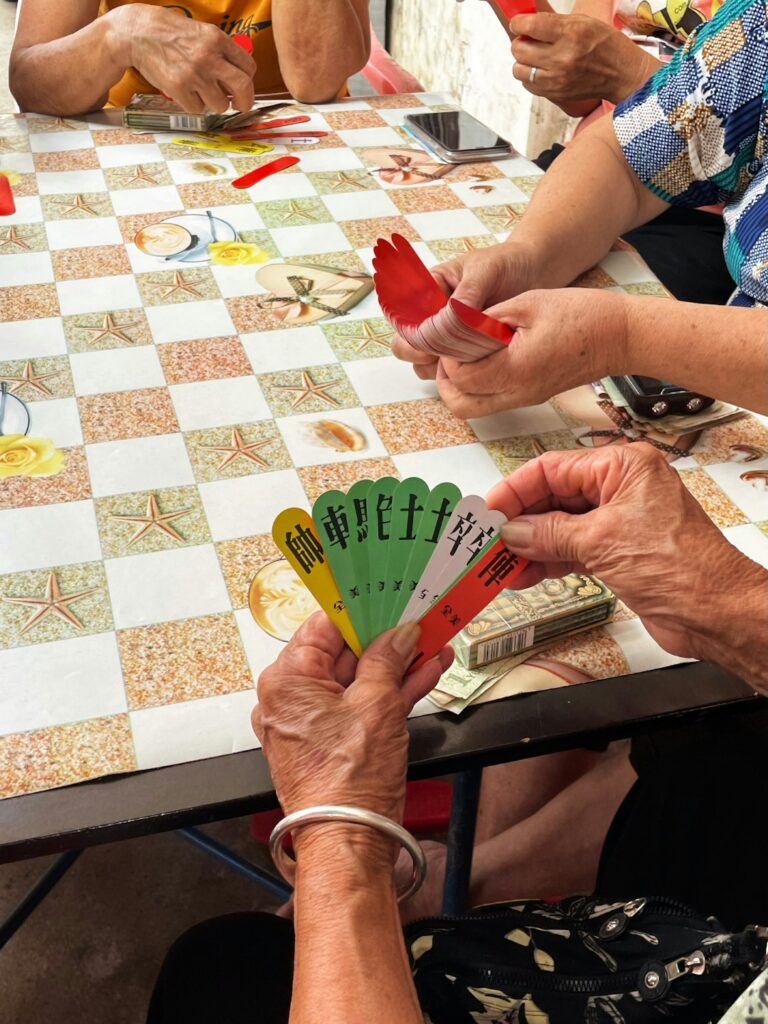
- Card games, puzzles, trivia, and board games
- Music programs, sing-alongs, and opportunities to listen to live performances
- Arts and crafts, painting, seasonal decorating, or woodworking projects
- Book discussions, current-events conversations, and educational presentations
- Gardening, bird-watching, and time outdoors
- Religious services, Bible studies, meditation, or other spiritual activities
- Movie afternoons, themed meals, birthday celebrations, and holiday gatherings
- Intergenerational visits and family-centered events
- Local outings for shopping, scenic drives, cultural programs, or community activities
Programs vary by community, staffing, resident interests, weather, and available transportation. A strong activity schedule usually includes both planned group events and quieter options for residents who prefer independent or small-group recreation.
Do residents have to participate in activities?
No. Participation should be voluntary. Residents have the right to choose how they spend their time, including resting in their apartment, visiting with family, reading, watching television, or pursuing a personal hobby.
Some residents enjoy a full calendar of activities, while others prefer only one or two programs each week. A person who is new to assisted living may need time to adjust before joining group events. Staff can offer invitations and encouragement, but participation should not feel like an obligation.
It is also helpful to ask whether activities are available at different times of day. A resident may be more alert in the morning, more social after lunch, or more comfortable attending smaller programs in the evening. Flexibility can make participation more comfortable.
How do activities support physical health?
Recreation can support strength, balance, flexibility, coordination, and endurance when activities are adapted to each resident’s abilities. Exercise does not have to involve strenuous workouts. Seated movement, gentle stretching, dancing, walking indoors, and light gardening can all provide useful physical activity.
Regular movement may help residents:
- Maintain mobility and confidence
- Reduce the amount of time spent sitting
- Practice balance and coordination
- Support sleep and daily energy
- Continue familiar routines and hobbies
Activities should be adjusted for mobility limitations, vision or hearing changes, arthritis, fatigue, and medical restrictions. A walking group, for example, may include residents using walkers or wheelchairs, with routes and pacing adjusted for safety.
Outdoor recreation also requires practical planning. In Mount Joy, seasonal temperature changes, winter surfaces, rain, and summer heat can affect when residents spend time outside. Safe outdoor programs may include shaded seating, accessible walkways, warm clothing, water, and indoor alternatives when conditions are unsuitable.
What activities are helpful for residents living with memory loss?
Residents with memory loss often benefit from familiar, structured, and sensory-based activities. Programs do not need to test memory or require residents to remember instructions. The most successful options often focus on enjoyment and participation rather than performance.
Examples include:
- Singing familiar songs
- Looking through family photographs
- Folding towels or sorting safe household items
- Simple cooking or baking tasks
- Flower arranging and gardening
- Painting, coloring, or working with clay
- Gentle movement and rhythmic exercise
- Reminiscence conversations about past occupations, holidays, or hobbies
Instructions should be short, demonstrations should be available, and activities should allow residents to stop without embarrassment. A resident may not complete a project in the expected way, but can still benefit from the social contact, sensory experience, and sense of purpose.
A common misconception is that memory-related activities must be intellectually challenging. For many residents, familiar and enjoyable activities are more appropriate than quizzes or competitive games.

Can residents continue personal hobbies?
Often, yes. Assisted living is not meant to replace a resident’s identity or interests. Communities may help residents continue hobbies by providing space, storage, adapted materials, or assistance with setup.
A lifelong gardener may enjoy tending raised planters or indoor plants. Someone who liked sewing may continue with handwork or fabric projects. A former teacher may enjoy reading aloud, helping with a discussion group, or organizing photographs. Residents who played instruments may be able to participate in music programs, depending on their abilities and the available space.
Before moving, families can make a list of activities that have given the resident pleasure, purpose, or routine. This information can help staff understand what kinds of recreation are likely to feel familiar and meaningful.
How can families take part in recreation?
Family participation can make activities more personal, especially during the transition into assisted living. Visiting relatives might bring photographs, play a familiar game, help with a craft, attend a music program, or accompany a resident outside.
Visits do not need to be elaborate. A short conversation over tea, a shared puzzle, or a walk through an accessible outdoor area may be more enjoyable than a long visit with too much activity.
Families should also ask about visiting guidelines, infection-control precautions, quiet hours, transportation arrangements, and whether children or pets may attend certain events. Clear expectations help visits remain comfortable for residents and other people in the community.
What should residents ask about an activity program?
A schedule alone does not show whether the program fits a particular resident. Prospective residents and families may want to ask:
- How are activities selected?
- Are residents invited to suggest or lead programs?
- Are there options for people with hearing, vision, mobility, or memory changes?
- Are activities offered on weekends and evenings?
- What happens when an outdoor event is canceled because of weather?
- Are transportation and admission costs included for outings?
- Is there space for quiet recreation or independent hobbies?
- How are new residents introduced to activities?
- Are spiritual, cultural, and dietary preferences respected?
- Can a resident attend only part of an activity?
It is useful to observe an activity in progress when possible. Notice whether residents appear engaged, whether staff provide assistance without taking over, and whether people who prefer not to participate are treated respectfully.
What if a resident loses interest in activities?
A decline in participation may reflect many factors, including pain, depression, fatigue, medication effects, hearing difficulty, grief, loneliness, or an activity that does not match the person’s interests. It should not automatically be interpreted as laziness or unwillingness.
A quieter approach may help. Instead of inviting a resident to a large group event, staff or family members might offer a one-on-one conversation, a short walk, music, or a familiar household task. Activities can also be scheduled around meals, rest periods, and medical appointments.
If a sudden change in interest continues, families should share their observations with the appropriate care team. Changes in mood, energy, movement, sleep, or memory may deserve further attention.
What makes recreation meaningful?
Meaningful recreation gives residents a reason to look forward to part of the day. It may involve enjoyment, friendship, creativity, movement, contribution, or connection to past experiences.
The most useful activity program is not necessarily the busiest one. It is one that offers variety, respects personal choice, adapts to changing abilities, and makes room for both companionship and privacy. For residents and families in Mount Joy, understanding these differences can make it easier to evaluate whether an assisted living activity program supports the person’s whole life—not just the care tasks that occur around it.
