

What Defines Assisted Living and Memory Care?
Assisted living and memory care are both types of residential care, but they serve different needs. In assisted living, residents typically receive support with daily activities, such as bathing, dressing, meals, and medication management. Memory care, on the other hand, offers specialized support for individuals living with Alzheimer's disease, dementia, or other memory-related conditions.
For households in Mount Joy, deciding between these options often depends on both the level and type of care a loved one needs. Assisted living is appropriate for those who need some daily help but can still maintain much of their independence. Memory care is designed specifically for those whose memory impairment creates safety or health concerns that require dedicated routines and a higher level of oversight.
How Do Services and Activities Differ?
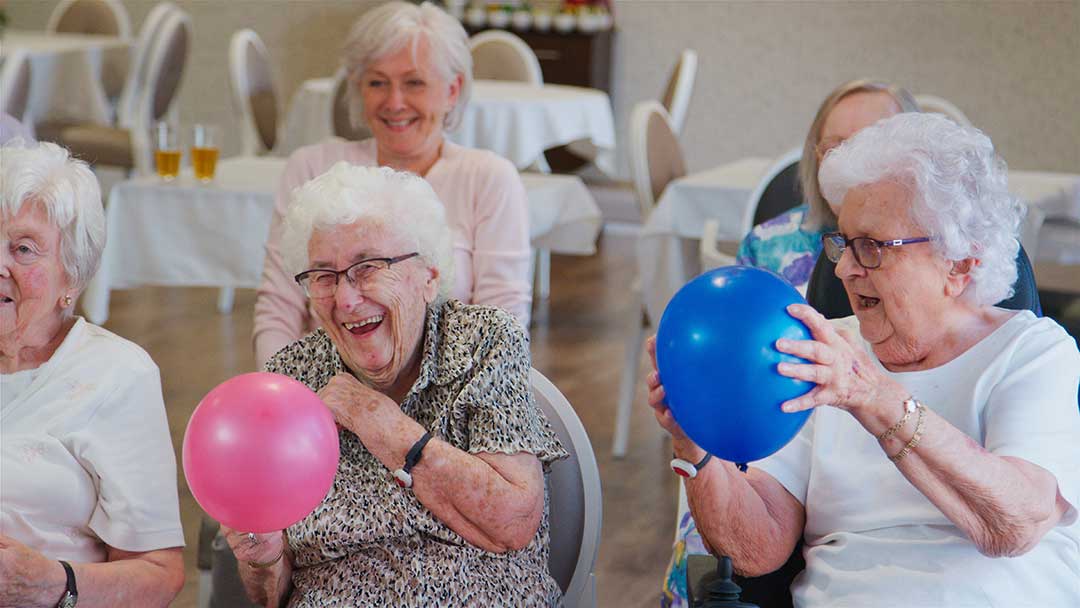
Assisted living communities offer a broad range of daily activities—like exercise classes, arts and crafts, and group outings—designed to foster social interaction and encourage residents to remain engaged in the local community. Residents may have private or semi-private apartments, shared dining areas, and access to support staff as needed.
Memory care adds a layer of structure and security tailored to cognitive challenges:
- Staff are trained to work with individuals experiencing confusion, wandering, or behavioral changes.
- Activities focus on maintaining cognitive abilities and promoting comfort, often through music, familiar routines, or reminiscence therapy.
- The living environment is often secured to prevent wandering and minimize anxiety, with clear signage, color-coded hallways, and simple layouts.
In a small town like Mount Joy, daily life might include familiar routines tied to local seasons, such as strolls in a secure garden during spring or indoor craft sessions during winter months, which are adapted to memory care residents based on their cognitive skill levels.
What Types of Staff and Training Are Involved?
Both types of settings employ caregivers, nurses, and support personnel. However, in memory care, there is an emphasis on specialized dementia training.
For example:
- Assisted living staff typically assist with physical support and general wellbeing.
- Memory care staff receive additional training in redirection techniques, managing agitation, and communicating effectively with those experiencing memory loss.
Family members in Mount Joy often notice that memory care staff are more attuned to subtle behavioral shifts, allowing for adjustments in routines or medical attention before issues become emergencies.
Is the Physical Environment Different?
Safety and familiarity in the environment are a major concern for families in the city considering these care options.
Assisted living environments often resemble apartment-style living, with open access to communal areas, social spaces, and sometimes even kitchens.
Memory care facilities are usually more secure:
- Exits are monitored to prevent wandering outside, especially during cold Pennsylvania winters.
- Spaces are designed to be calming and easy to navigate, reducing confusion.
- There may be enclosed outdoor spaces so residents can safely enjoy fresh air.
Seasonal factors, like icy sidewalks or early darkness, make secure memory care environments especially valuable in the community during winter months.
How Is Health and Medication Support Handled?
In both settings, staff manage medications and coordinate healthcare appointments. However, in memory care, delivery tends to be more hands-on because residents may forget to take medication or become confused about doses.
Regular wellness checks are routine in memory care, allowing staff to quickly catch changes that could signal health issues. This extra vigilance is particularly practical for local families who can't always visit daily, and who may be concerned about unpredictable weather or transportation challenges unique to the area.
What Are Common Misconceptions?
A frequent misconception in Mount Joy is that memory care is simply “locked assisted living,” or, conversely, that assisted living can fully address the needs of someone with advanced dementia. In reality, they are distinct services:
- Memory care is not just about security. It’s a whole approach—medical, emotional, physical, and social—centered on the needs of those with cognitive difficulties.
- Assisted living does not usually provide the level of supervision or environment needed by those with moderate or severe dementia.
Recognizing the difference helps local families make informed choices rather than moving a loved one repeatedly as care needs increase.
How Do Costs and Payment Options Differ?
In the city and throughout Pennsylvania, assisted living and memory care costs are typically paid out-of-pocket, through long-term care insurance, or through specific state assistance programs. Memory care tends to cost more due to increased staffing ratios and tailored amenities.
While the details of financing are highly individual, area residents sometimes overlook the availability of certain state programs aimed at helping older adults with limited means, which may apply differently to assisted living versus memory care.
What Should Local Families Consider When Deciding?
Families in Mount Joy should thoughtfully assess:
- The current and expected future health status of their loved ones
- How much day-to-day supervision is really needed
- Whether the social and physical environment matches their loved one’s preferences and safety needs
- The unique benefits of living in a close-knit community where local traditions, familiar faces, and regional customs may help ease transitions for older adults
It’s not uncommon for family members to reach out to neighbors, local senior groups, or public agencies in the city for guidance and perspective during this process.
